
Inside a full air conditioning service: the complete checklist
An air conditioning service is a planned visit in which an engineer cleans the system, inspects its key components and tests its performance against what it should be doing. It won’t fix something that has already failed. What it does is keep a healthy system clean and running efficiently, and it’s when small problems get spotted before they turn into breakdowns. The exact checks vary with the system, but a thorough service covers the following.
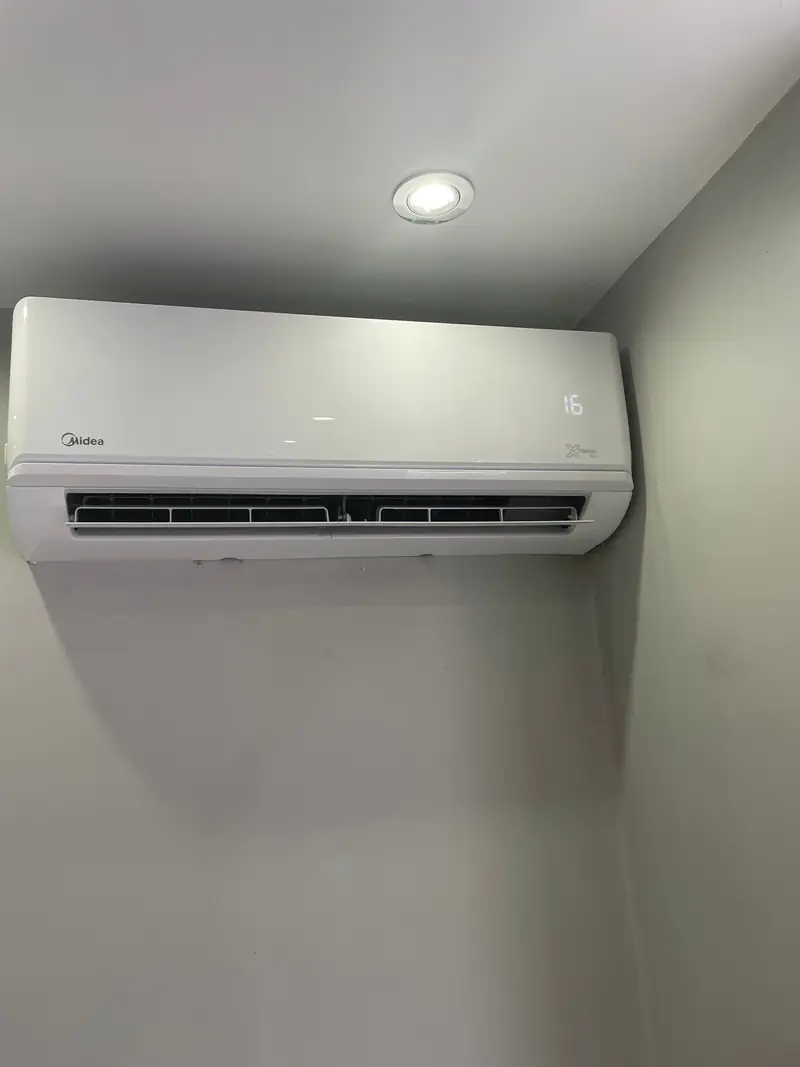
Indoor unit
- Filters removed, cleaned and checked for damage; replaced if worn or if the system uses replaceable media
- Evaporator coil cleaned with a suitable coil cleaner and rinsed where appropriate
- Fan barrel (the long cylindrical fan) inspected and cleaned of dust and biofilm
- Drain tray cleaned and inspected for standing water, slime and cracks
- Casing, louvres and swing motors cleaned and checked
- Wall mounting, trunking and pipe insulation inspected
Outdoor unit
- Leaves, litter and debris cleared from around and inside the unit
- Condenser coil inspected and cleaned where needed, with care not to damage the fins
- Fan blade, guard and motor checked for damage, wear and noise
- Brackets, stand, fixings and anti-vibration mounts checked
- External pipe insulation and UV protection inspected
- Clearances checked so the unit can breathe freely
Drainage, electrics and performance
- Condensate drain flushed and flow confirmed with a fall to the outlet
- Condensate pump tested, including its float or safety switch
- Electrical connections checked for tightness and signs of overheating, with power safely isolated
- Controls, timers, modes and sensors tested
- System run in cooling and heating with air temperatures and operating pressures or temperatures checked
- Flare joints and visible pipework checked for signs of refrigerant loss
- Findings recorded, with recommendations explained
How often does air conditioning need servicing?
Most home systems should be serviced once a year, while busy commercial systems and units in dusty or greasy environments benefit from visits every three to six months. It mostly comes down to how many hours it runs, how dirty the air is and how much it matters if it stops.
| Type of use | Typical interval | Why |
|---|---|---|
| Home unit used mainly for summer cooling | Every 12 months | Low hours; annual clean and check keeps it efficient |
| Home heat pump used for cooling and heating | Every 12 months, ideally before heavy use | Year-round running means more dust and wear |
| Bedroom units and allergy-sensitive rooms | Every 12 months, with frequent filter cleaning | Clean coils and fans help keep air fresh |
| Offices and meeting rooms | Every 6 to 12 months | Long daily hours and more occupants |
| Shops, salons, gyms and restaurants | Every 3 to 6 months | Heavy use, hair, dust, grease or humidity |
| Server and comms rooms | Every 3 to 6 months | Equipment depends on the system running reliably |
| Commercial kitchens and dusty workshops | Every 3 months or as conditions demand | Grease and dust clog coils and filters quickly |
Timing your visit
Book ahead of the season you rely on most: spring if you mainly need cooling, early autumn if the system is your main heating for a conservatory, garden room or loft. Engineers are often busiest once the first heatwave arrives.
Signs you should shorten the interval
If filters are visibly grey within a few weeks, the drain has blocked between visits, or smells return well before the next service, the system is working harder than most and would benefit from more frequent visits. Pets, building work nearby, open-plan kitchens and rooms near busy roads all speed up how quickly a system gets dirty.
Signs your air con is overdue for a service
Any of these is a good reason to book a service. If the system has stopped working altogether, start with our air conditioning repairs page instead.
Slower to cool or heat
The room takes noticeably longer to reach temperature, or never quite gets there on hot afternoons.
Musty smell at start-up
A damp, sour or stale smell usually means growth on the coil, fan or drain tray.
Drips or wall staining
Water or tide marks below the indoor unit suggest a partially blocked drain.
New noises
Rattles, squeals or a louder hum from either unit often point to dirt, loose fixings or wearing parts.
Dark marks on the louvres
Visible dust or black specks around the outlet mean the inside is dirtier still.
Higher electricity use
A dirty system runs longer and harder to do the same job, which shows up on your bills.
Servicing, maintenance and repairs: how they differ
People use these three words interchangeably. They’re not quite the same thing, and knowing which you need makes the first phone call quicker.
| Servicing | Maintenance | Repairs | |
|---|---|---|---|
| What it is | A visit to clean, inspect and test | An ongoing plan of scheduled visits and records | Fixing a fault that has developed |
| When | Usually yearly, more often for busy systems | To a set schedule agreed in advance | When something goes wrong |
| Goal | Efficiency, hygiene, early warning | Consistent care over the system’s life | Restore normal operation |
| Best for | Most homes and small businesses | Businesses with several or critical units | Any system with a fault |
Many homeowners simply book a service each year. Businesses that rely on several units usually find planned air conditioning maintenance easier to manage, because visits are scheduled for them and records are kept in one place.
What you get from servicing every year
Efficiency and running costs
Dust on the filters and coils insulates them, so the system has to run longer and harder to move the same heat. Clean, it gets to temperature more easily and spends more of its time ticking over at low speed, which is where it’s most efficient.
As an illustration, if a neglected unit used 15% more electricity than it would when clean, a system using 800 kWh a year would use an extra 120 kWh, or about £30 at an illustrative 25p per kWh. The real difference depends on the condition of the system and how much it runs, so treat this as an example of the arithmetic rather than a prediction.
Air quality and hygiene
An air conditioner passes the room’s air across a cold, damp coil many times an hour. Left uncleaned, the coil, fan barrel and drain tray can harbour dust, mould and bacteria, which is where musty smells come from. Cleaning these parts keeps the air fresher, which matters most in bedrooms and in workplaces where many people share the same air.
Where the smell actually comes from
Filters catch the larger particles, but fine dust still reaches the coil. When the system cools, that dust stays damp, and the fan barrel downstream collects a sticky film that is ideal for mould. Cleaning the filters won’t shift it. The coil and barrel have to be cleaned in place with suitable products and care to keep water away from the electronics. In bedrooms in particular, our bedroom air conditioning page covers keeping air fresh overnight.
Manufacturer warranty terms
Many manufacturers expect systems to be serviced at regular intervals, and a missing service history can make a warranty claim harder. Check the paperwork that came with your system, and keep a dated record of each visit.
Refrigerant leak checks and records
Under UK F-Gas rules, larger systems above certain refrigerant charge thresholds must have periodic leak checks by a certified person, with records kept. Most single domestic units fall below those thresholds, but a service still includes checking visible joints and pipework for signs of refrigerant loss, since a gradual leak quietly erodes performance.
Servicing different types of system
The basics are the same for every air-to-air system. How long it takes, and what’s involved, depends on the design.
Wall-mounted splits
The easiest to service. Filters slide out from the front, and the coil and fan barrel are reached by removing the front panel. Cleaning the fan barrel properly is the step most often skipped, and it is the one that makes the biggest difference to smells and airflow.
Heat pumps used through the winter
If your wall unit is a main source of heating, the outdoor unit works hard in cold, damp weather and runs regular defrost cycles. A service before winter checks the outdoor coil is clean, the fan is sound and defrost water can drain away rather than freezing around the base.
Multi-split systems
Each indoor unit gets the full treatment above, then the shared outdoor unit is checked once. Multi-splits are common in homes where two or three bedrooms run off one outdoor unit, and the performance checks should confirm every room is getting its share. One weak room can point to a fault in that branch.
Ceiling cassettes and ducted units
Cassettes have a removable grille and filter, with a built-in condensate pump that needs testing every time. Ducted units hide in ceiling voids or lofts, so access panels must be reachable; their return-air filters and grilles often get forgotten.
Commercial and server-room systems
In shops, salons and offices, filters clog faster and drains carry more debris, so visits are more frequent. Server and comms room units deserve particular attention because a failure can quickly lead to overheating equipment. See our commercial air conditioning and office air conditioning pages for more on those environments.
What happens on the day of a service visit
Quick conversation
We ask how the system has been running, whether you have noticed smells, noises or drips, and check any error history on the controller.
Before-clean checks
The system is run briefly so we can note its starting performance and listen for anything unusual.
Safe isolation and cleaning
Power is isolated, the area beneath the indoor unit is protected, and the filters, coil, fan and tray are cleaned.
Drain and outdoor unit
The drain is flushed and tested, any pump is checked, and the outdoor unit is cleared, cleaned and inspected.
Performance test and report
The system is run in cooling and heating, measurements are compared with expected values, and we explain what we found and anything that needs attention.
How long does an air con service take?
A single wall-mounted system in a home usually takes around an hour, sometimes a little more if it is particularly dirty or hard to reach. Multi-splits take longer because each indoor unit is cleaned, and cassettes and ducted units take longer again because of access. If you have several units, mention it when booking so enough time is allowed.
What shapes the cost of a service
We price servicing on the work involved and confirm the cost when you book. What makes the difference:
- The number of indoor and outdoor units
- The type of system: wall units are quicker than cassettes and ducted units
- How long since the last service and how dirty the system is
- Access, such as high-level outdoor units, flat roofs or loft and ceiling voids
- Whether a deep clean of the coil and fan barrel is needed to deal with smells
- Any parts or consumables, such as replacement filters
- Visits outside normal hours for businesses
If a service uncovers a fault that needs more than cleaning and adjustment, we explain what we found and what a repair would involve before doing any further work.
Is the cheapest service always the best value?
Not usually. A quick filter rinse and a glance at the outdoor unit is not the same as a full service. When comparing quotes, ask what is actually included: whether the coil and fan barrel are cleaned, whether the drain and pump are tested, whether the system is run and measured in both modes, and whether you receive a written record. A service that skips the fan barrel and drain often leaves the causes of smells and leaks in place.
Choosing who services your air conditioning
Whoever you book, a few questions will soon show if you’re getting a proper service or just a once-over.
- Can you show evidence of F-Gas certification for the engineer and the business?
- Which parts of the indoor unit do you clean, and is the fan barrel included?
- How do you test the drain and any condensate pump?
- Will you run the system in cooling and heating and record the readings?
- Will I receive a dated service record I can keep for warranty purposes?
- If you find a fault, will you explain it and agree any repair before carrying it out?
Keep a service log
File each service record with the original installation paperwork, model numbers and refrigerant details. It helps any engineer understand the system’s history, supports a warranty claim, and is useful if you sell the property.
Simple care between service visits
Ten minutes now and then between visits keeps the system in better shape. Always switch off before touching the indoor unit and follow the manufacturer’s instructions.
Cleaning the filters yourself
- Switch the unit off at the controller and, ideally, the isolator.
- Lift the front panel and slide the filters out gently.
- Vacuum the dust off, then wash in lukewarm water if the manual allows.
- Let the filters dry fully, out of direct sunlight, before refitting.
- Repeat every few weeks during heavy use, or more often in dusty rooms or homes with pets.
Other quick checks worth doing
- Keep leaves, plants, snow and garden furniture away from the outdoor unit.
- Look under the indoor unit for drips or marks after hot, humid days.
- Run the system for a short while in each mode before the season you need it.
- Run Fan or Dry mode for a while after heavy cooling to help dry the coil.
- Note any error codes, new noises or smells so you can mention them at the next visit.
What to leave to an engineer
Don’t take casings off, spray cleaners into the fan or electrics, or attempt anything involving refrigerant. Under UK F-Gas rules, work on the refrigerant circuit must be done by someone holding the appropriate certification, so ask to see it whoever you book. We service systems across the area, including Fulford, Huntington and Easingwold. Call 0191 743 9144 or book a service online.